
How to Clean Carpet Without a Machine
Published: 22 April 2026 Last update: 22 April 2026 Views:
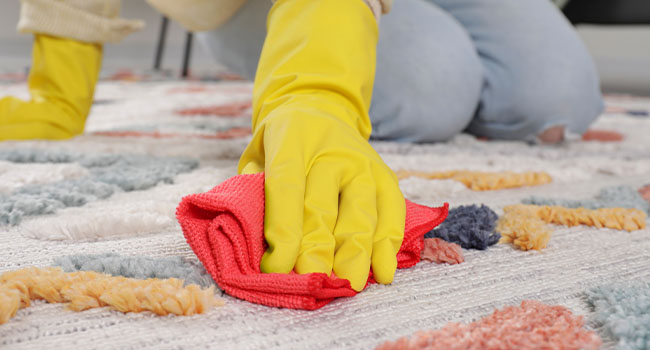
Let’s be honest — most people don’t own a carpet cleaning machine. And even if you’ve thought about renting one, it’s a bit of a hassle. You’ve got to pick it up, figure out how it works, then deal with a soggy carpet that takes forever to dry. Not exactly appealing.
The good news? You don’t actually need a machine to get your carpet looking decent again.
Whether it’s muddy footprints from a wet Kiwi winter, a spilled coffee, or that lingering “something smells off” situation, there are simple ways to clean your carpet using stuff you probably already have at home. No fancy gear, no complicated process.
Now, to be clear — this isn’t magic. If your carpet hasn’t been cleaned in years and looks like it’s survived a rugby season indoors, a DIY clean will only go so far. But for everyday dirt, fresh stains, and general upkeep, it works surprisingly well.
In this guide, I’ll walk you through:
- Straightforward DIY cleaning methods
- How to deal with common stains
- Natural solutions that actually work
- And when it’s time to stop DIY and call in the pros
Nothing overcomplicated. Just practical steps that get the job done.
Alright, this is where things actually happen. No shortcuts here — if you skip steps, you’ll usually end up making the carpet worse, not better. Do it properly once, and you’ll see the difference.
Start dry. Always.
Vacuuming might feel like a basic step, but it’s doing more heavy lifting than you think. Carpets trap dust, grit, crumbs — all the stuff that turns into muddy sludge the second you add moisture. If you skip this, you’re basically rubbing dirt deeper into the fibres.
Go slow, especially in high-traffic areas. If it’s been a while, do a couple of passes from different directions. Corners and edges matter too — that’s where a lot of hidden dirt builds up.
Before you clean the whole carpet, deal with the obvious problem areas first.
Fresh stains are the easiest to fix, so if something’s just been spilled, don’t wait. Blot it with a clean cloth — don’t scrub. Scrubbing spreads the stain and pushes it deeper.
For older stains, apply a small amount of your cleaning solution (we’ll get to that next), let it sit for a few minutes, then gently blot again. You’re trying to lift the stain out, not grind it in.
Different stains behave differently, but the rule stays the same: gentle and controlled beats aggressive every time.
Now you’re ready to actually clean.
You don’t need anything fancy here. A few simple options work well:
- A mix of white vinegar and warm water is great for general cleaning and smells
- Baking soda can be sprinkled on beforehand to absorb odours
- A small amount of dish soap in water works well for greasy spots
Lightly apply your solution — emphasis on lightly. You’re not soaking the carpet. Too much liquid is where things start going wrong, especially in cooler or humid NZ homes where drying takes longer.
Work in small sections so you stay in control of what you’re doing.
This is where people tend to overdo it.
Use a soft brush, cloth, or even a sponge. You’re not trying to attack the carpet — just loosen the dirt. Gentle circular motions are enough.
If you go too hard, you can damage the fibres, especially with wool carpets. Once that happens, there’s no fixing it. So take it easy.
Focus on consistency rather than force.
Once you’ve cleaned a section, don’t just leave it wet.
Grab a clean, dry towel and press it into the carpet to soak up as much moisture as possible. You’ll be surprised how much water comes out with a bit of pressure.
This step makes a big difference. Less moisture means faster drying and less risk of that damp, musty smell creeping in later.
This part gets ignored all the time — and it’s where most DIY jobs fall apart.
Carpet needs to dry properly. Not “feels kinda dry on top” — actually dry.
Open windows if the weather allows, run a fan, or use a heater to speed things up. In colder parts of New Zealand, drying can take longer, so airflow matters even more.
If the carpet stays damp for too long, you’re inviting mould and smells. And once that sets in, cleaning it again becomes a much bigger job.
Done right, this process can genuinely freshen up your carpet and deal with most everyday mess. Nothing complicated — just a bit of patience and doing things in the right order.
You don’t need anything fancy, but you do need to get the mix and method right. Too strong, and you risk damaging the carpet. Too weak, and nothing really happens.
Here’s how to actually do each one properly.
This is your go-to for general cleaning, light stains, and odours.
Mix 1 part white vinegar with 2 parts warm water in a spray bottle. For example, 1 cup of vinegar + 2 cups of water.
Lightly spray the area — don’t soak it. Let it sit for about 5–10 minutes so it can break down dirt and neutralise smells. Then blot with a clean cloth or towel. If needed, gently wipe or lightly scrub.
Vinegar cuts through grime and kills odour-causing bacteria. It’s simple, cheap, and surprisingly effective.
Best for carpets that smell a bit off rather than visibly dirty.
Sprinkle a generous but even layer of baking soda over the carpet. Don’t dump it in piles — spread it out so it can actually do its job.
Leave it for at least 30 minutes, but ideally a few hours (or overnight if the smell is strong). Then vacuum it up slowly.
Add a few drops of essential oil (like lavender or lemon) to the baking soda before sprinkling if you want a fresher scent.
Baking soda absorbs moisture and odours rather than masking them.
Add 1 teaspoon of dishwashing liquid to 2 cups of warm water. That’s it — don’t eyeball it and accidentally squeeze in half the bottle.
Dip a cloth into the solution (don’t pour it directly onto the carpet). Dab the stained area gently, then blot with a dry towel. Repeat if needed.
After cleaning, go back over the area with a clean damp cloth (just water) to remove any soap residue.
This works well for spots that smell worse than they look.
First, sprinkle baking soda over the area. Then lightly spray your vinegar + water solution on top. It’ll fizz — that’s the reaction doing its thing.
Let it dry completely (this part matters), then vacuum thoroughly.
The reaction helps lift dirt while the baking soda absorbs odours at the same time.
Not all stains are the same — and if you treat them the same way, you’ll usually make things worse. The trick is knowing what you’re dealing with and keeping your approach simple.
Also, one rule that applies to everything: blot, don’t scrub. Scrubbing spreads the stain and damages the fibres. It feels productive, but it backfires.
Here’s how to handle the most common ones you’ll run into:
- Pet Stains and Smells – Start by blotting up as much of the moisture as possible with paper towels or a clean cloth. Then apply a vinegar and water solution (1:2 ratio) and let it sit for 10 minutes. Blot again, then sprinkle baking soda over the area once it’s slightly damp. Let it dry completely and vacuum. This helps deal with both the stain and the smell — which is usually the bigger issue.
- Red Wine or Coffee Stains – These look bad, but if you act quickly, they’re manageable. Blot the spill straight away — don’t let it soak in. Apply a small amount of hydrogen peroxide (or your dish soap solution if you want to play it safer), let it sit briefly, then blot again. You may need to repeat this a couple of times. Avoid heat (like hairdryers), as it can set the stain.
- Mud and Dirt – This is where patience matters. Let the mud dry completely first — trying to clean it wet just smears it deeper. Once dry, vacuum up as much as possible. Then go in with a light vinegar solution and gently blot any remaining marks. It’s slower, but it works far better than attacking wet mud.
- Grease or Food Spills – For anything oily (takeaways, sauces, butter), use the dish soap solution. Dab it onto the stain with a cloth, let it sit for a few minutes, then blot. Repeat if needed. Finish by lightly wiping the area with a damp cloth to remove soap residue. If you skip that last step, the spot can end up attracting more dirt later.
- Unknown or Old Stains – These are the annoying ones. If you don’t know what caused it, start mild — use a vinegar solution first and see how it reacts. If nothing happens, step up to dish soap or hydrogen peroxide (with a patch test). Old stains often need a few attempts rather than one aggressive clean.
A quick reality check — some stains won’t come out completely, especially if they’ve been sitting there for months or years. The goal isn’t always perfection. Sometimes it’s just making it look a lot better and stopping it from getting worse.

There’s no one-size answer here, but for most homes, the sweet spot is somewhere between every 6 to 12 months for a proper clean. That’s enough to keep things under control without turning it into a full-time job.
That said, it really depends on how you live.
If you’ve got kids running in and out, pets shedding everywhere, or people wearing shoes inside (pretty common in some NZ homes), your carpet is taking a beating daily. In that case, you’ll want to clean high-traffic areas more often — even every couple of months — just to stop dirt building up to the point where it’s harder to deal with.
On the flip side, if it’s a quieter household, no pets, and you stay on top of vacuuming, you can stretch it out a bit longer without issues.
It’s also worth thinking about the seasons. NZ winters can be damp, and that moisture tends to get trapped in carpets. Add a bit of mud from outside, and things can get grim pretty quickly. A light clean during or after winter can make a noticeable difference, even if it’s not a full deep clean.
And don’t confuse regular vacuuming with actual cleaning — they’re not the same thing. Vacuuming removes surface dirt, which is important, but it doesn’t deal with stains, oils, or smells sitting deeper in the fibres.
A good way to think about it: vacuum often, clean when it starts looking or smelling like it needs it — not months after.
This is where most DIY carpet cleaning jobs go wrong. Not because the method doesn’t work — but because of small mistakes that end up making things worse.
If you avoid these, you’re already ahead of most people.
- Over-wetting the carpet – This is the big one. More water doesn’t mean a deeper clean — it just soaks into the backing and takes forever to dry. That’s how you end up with damp smells or even mould. Always use a light hand with any solution.
- Scrubbing too hard – It feels like you need to “work” the stain out, but aggressive scrubbing damages carpet fibres and spreads the stain. Gentle blotting or light brushing is far more effective, even if it feels slower.
- Using too much product – Whether it’s soap, vinegar, or any cleaning mix — overdoing it leaves residue behind. That residue attracts dirt, which means your carpet can actually get dirty faster after cleaning.
- Skipping a patch test – Different carpets react differently, especially wool (very common in NZ homes). If you don’t test your solution on a hidden spot first, you risk discolouration or damage that’s much harder to fix than the original stain.
- Not removing excess moisture – Leaving the carpet wet is asking for trouble. If you don’t blot and lift out the moisture properly, it sits deep in the fibres and backing. That’s where smells start.
- Poor drying – A carpet that feels dry on top can still be damp underneath. Without proper airflow — open windows, fans, or a bit of heat — moisture lingers. In cooler NZ conditions, this is a common reason carpets end up smelling worse after cleaning.
None of these are complicated mistakes — but they’re easy to make if you rush or assume more effort equals better results.
Do it lightly, do it properly, and let the process work.
Keeping your carpet clean isn’t about doing one big deep clean and hoping for the best. It’s the small, everyday habits that actually keep it looking decent over time. Ignore those, and you’ll be back to square one pretty quickly.
- Treat your carpet like a no-shoe zone – Shoes bring in more than just visible dirt — think grit, moisture, and who knows what else from outside. Over time, that gets ground into the fibres and dulls everything down. Leaving shoes at the door isn’t just a nice idea, it genuinely keeps your carpet cleaner for longer.
- Stay consistent with vacuuming – Waiting until the carpet looks dirty is already too late. By then, there’s plenty sitting deep in the fibres. A quick vacuum once or twice a week keeps things under control and stops that slow buildup that makes carpets look tired.
- Protect the areas that get hammered – Some spots take more wear than others — hallways, entrances, around the couch. Adding a rug or runner in those areas takes the pressure off your carpet and buys you a lot more time between proper cleans.
- Don’t let spills sit “just for now” – This is how stains become permanent. Even if you don’t have time for a full clean, a quick blot straight away can stop it from setting in. Five minutes now saves you a much bigger headache later.
- Keep an eye on dampness – Carpet and moisture don’t mix well. If areas of your home tend to feel a bit damp — especially during colder months — make sure there’s some airflow. Even cracking a window or using a fan helps prevent that musty smell from creeping in.
DIY works well — up to a point. But there’s a line where no amount of vinegar, baking soda, or scrubbing is going to fix the problem properly.
If your carpet still looks rough or smells off after a couple of solid attempts, it’s usually a sign the issue is sitting deeper than the surface.
One of the biggest giveaways is deep-set stains. If something has been there for months (or longer), it’s likely soaked into the backing of the carpet, not just the fibres. At that point, surface cleaning won’t reach it.
The same goes for strong, lingering smells — especially from pets, spills, or dampness. If the odour comes back once the carpet dries, that means it’s trapped underneath. DIY methods can mask it for a while, but they won’t fully remove it.
You should also think twice if you’re dealing with a large area that’s heavily soiled. Cleaning one small section by hand is manageable. Doing an entire room properly? That’s time-consuming and easy to get wrong.
At that point, bringing in a professional isn’t about convenience — it’s about getting a result you actually can’t achieve on your own. They’ve got the equipment to pull dirt and moisture out from deep within the carpet, not just the surface.
A simple way to look at it: DIY is great for maintenance and fresh problems. Anything deep, old, or widespread — that’s where professionals start to make more sense.
Need professional carpet cleaning?
Contact us today and your carpet will soon be good as new!

- You don’t need a machine — simple DIY methods can handle most carpet cleaning jobs
- Less water is better — over-wetting causes more problems than it solves
- Blot, don’t scrub — gentle cleaning protects the carpet and works more effectively
- Act quickly on stains — the sooner you deal with them, the easier they are to remove
- Drying matters just as much as cleaning — poor drying leads to smells and potential mould
Domestic clients 09 802 0886
Business clients 020 3746 1062
Skip the line, request and
book a service online
